
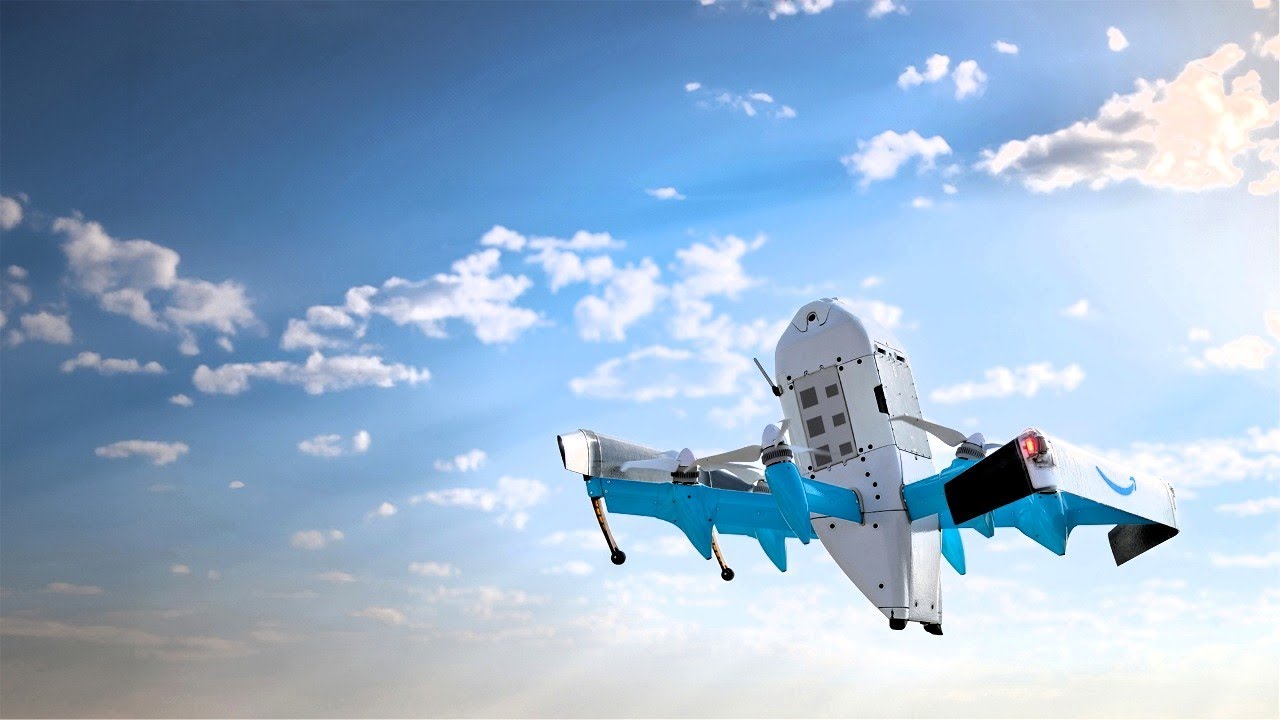
Amazon announced on Tuesday that it will expand its Prime Air drone delivery service to forty additional U.S. cities over the next six months following approval by the Federal Aviation Administration of an updated operational framework that allows autonomous drone deliveries in a broader range of suburban and semi-urban environments than previously permitted. The expansion represents the most significant scaling of commercial drone delivery in American history and positions Amazon substantially ahead of rival logistics players in deploying the technology at meaningful scale.
The FAA’s revised framework resolved several technical and regulatory questions that had stalled broader deployment since the agency’s initial approvals in 2022. New standards governing sense-and-avoid systems, weather operating limits, and remote identification requirements gave Amazon the regulatory clarity needed to commit capital to building out the expanded fleet and supporting infrastructure. The company said it would deploy more than twelve hundred new delivery drones across the forty markets, supported by regional drone maintenance centers and expanded fulfillment hub capacity.
In markets where Prime Air has been operating since 2023, customer adoption data presented by Amazon showed delivery completion rates for eligible orders exceeding sixty-eight percent — a figure the company attributed to consumer preference for the thirty-minute delivery window that drones can reliably achieve, compared to the two to four hour windows typical for van-based same-day delivery. Average drone delivery weight capacity has been increased to five pounds in the updated aircraft generation, covering a broader range of product categories.
Competitors including UPS, FedEx, and Google’s Wing division are watching closely. Wing currently operates commercial delivery services in a handful of markets but has not received comparable regulatory latitude for suburban operations at scale. Logistics analysts expect the FAA framework established for Amazon to effectively set the template for all subsequent commercial drone delivery approvals.
Local governments in several expansion cities raised concerns about noise impacts and airspace congestion near schools and hospitals, issues Amazon said it would address through geofencing restrictions and community liaison programs.