
South Korea’s Constitutional Court issued a unanimous ruling on Thursday upholding the National Assembly’s impeachment of the sitting president, removing the head of state from office and setting the stage for a snap presidential election that must be held within sixty days under the country’s constitutional framework. The decision, delivered after four months of deliberation, was met with contrasting scenes of celebration and protest outside the court building in Seoul, where tens of thousands of citizens from opposing camps had gathered overnight in anticipation of the verdict.
The court found that the president had violated constitutional provisions governing the declaration of emergency martial law in December 2025, determining that the conditions legally required to justify such a measure did not exist at the time of its invocation. The ruling stated that the action had undermined democratic governance principles enshrined in the post-1987 constitutional order and that the legislature had acted within its authority in initiating impeachment proceedings.
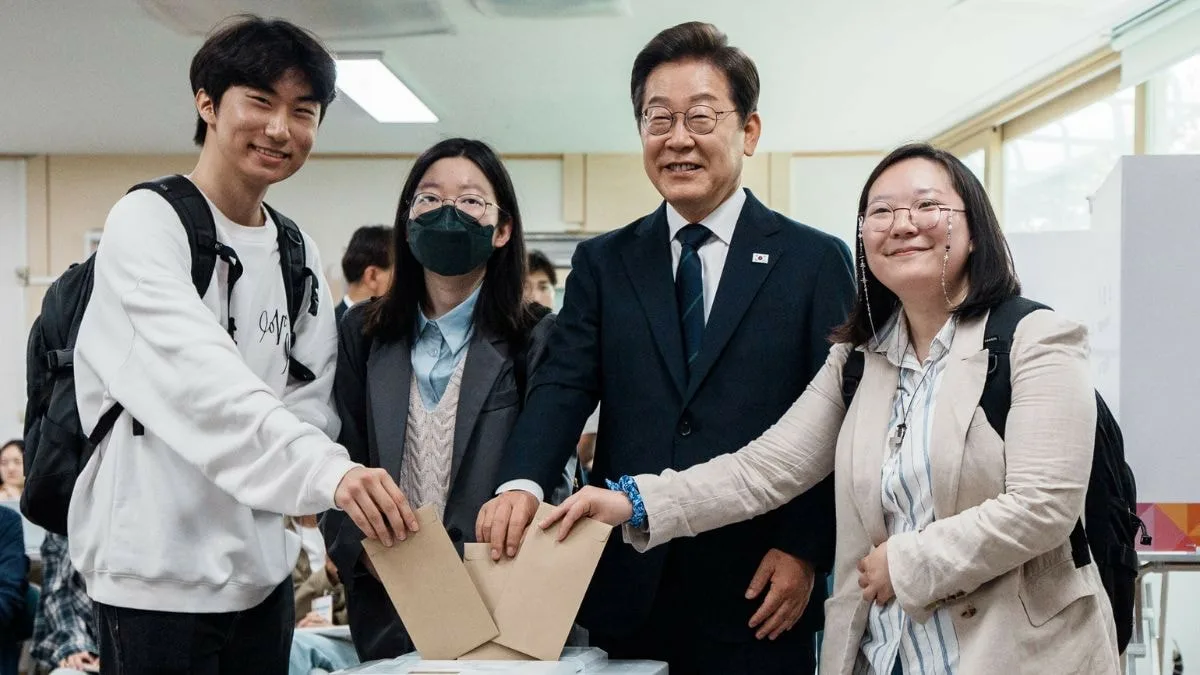
The prime minister, who has been serving as acting head of state since the Assembly’s impeachment vote in January, confirmed that election preparations would begin immediately and that the vote would take place on a date to be formally announced within the week. Political parties moved quickly to begin internal candidate selection processes, with the opposition Democratic Party holding an expedited primary while the ruling People Power Party faced difficult internal negotiations over whether to rally around a consensus figure or hold an open primary.
International observers from the United States, Japan, and European Union issued statements affirming confidence in South Korea’s democratic institutions. The U.S. State Department emphasized the alliance’s continuity regardless of the electoral outcome, a signal aimed at reassuring both Seoul and regional partners watching the political uncertainty closely.
Markets in Seoul retreated modestly on the news before recovering, as investors concluded that electoral clarity was ultimately preferable to an extended period of governmental ambiguity.