
A comprehensive report released jointly by the Centers for Disease Control and Prevention and the National Sleep Foundation has formally classified widespread sleep deprivation as a public health crisis in the United States, citing new economic modeling that estimates the condition costs the country approximately four hundred and eleven billion dollars annually through reduced workplace productivity, increased healthcare utilization, and elevated accident rates across transportation and industrial sectors.
The report draws on data from the largest nationally representative sleep survey ever conducted, covering more than two hundred thousand American adults across all fifty states. It found that thirty-seven percent of respondents regularly sleep fewer than seven hours per night — the minimum recommended by major medical authorities for adult health — and that the problem is disproportionately concentrated among shift workers, caregivers, low-income households, and communities with limited access to quiet, safe sleeping environments. The racial and socioeconomic disparities in sleep health outcomes are described as substantial and widening.
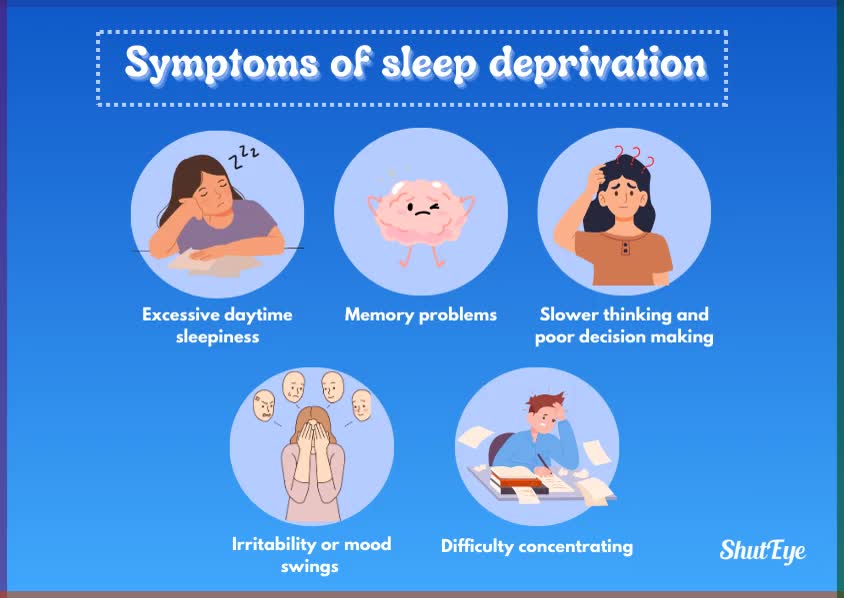
The physiological consequences of chronic sleep insufficiency are well established in the medical literature and range from impaired immune function and elevated cardiovascular risk to accelerated metabolic dysfunction and significantly increased susceptibility to depression and anxiety disorders. Less appreciated, the report argues, are the second-order social costs: impaired parenting capacity, reduced educational attainment in children of sleep-deprived parents, and diminished civic engagement.
The authors recommend a multi-pronged policy response including restrictions on early school start times — where evidence from districts that have shifted to later start times shows measurable improvements in student outcomes — stronger labor protections for shift workers, and expanded insurance coverage for evidence-based sleep disorder treatment, which remains inaccessible to millions of Americans with diagnosable conditions like sleep apnea and insomnia disorder.
Consumer technology companies whose devices contribute to late-night screen exposure received specific mention, with the report calling for clearer behavioral guidelines and stronger defaults in device settings to reduce blue light exposure in the hours before sleep.